Anticipated Review: Apple Vision Pro 2 – Refinement on the Horizon
The original Apple Vision Pro, launched in early 2024, introduced the world to “spatial computing” with a groundbreaking, albeit expensive and somewhat weighty, first-generation device. As we look towards late 2025 and early 2026, rumors are swirling about the Apple Vision Pro 2, which appears poised to be less of a revolutionary leap and more of a crucial refinement, addressing key feedback from its predecessor while boosting performance.
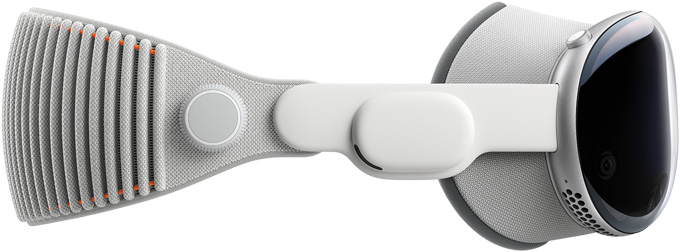
What to Expect: Key Upgrades
While a complete redesign might be further off (rumored for 2027 with a “Vision Air” model), the immediate successor, often referred to as the “Vision Pro 2” or an “incremental update,” is expected to focus on two critical areas:
1. Enhanced Performance with the M4 Chip
The most significant internal upgrade anticipated is the transition from the M2 chip in the original Vision Pro to the more powerful M4 chip (though some earlier rumors mentioned M5, M4 seems more likely given recent Apple releases). This upgrade is not just about raw speed; the M4’s enhanced Neural Engine is expected to significantly boost on-device AI capabilities. For users, this could translate to:
- Smoother Multitasking: Running more spatial apps simultaneously without a hitch.
- Faster Rendering: More fluid and realistic visual experiences in demanding applications and games.
- Improved AI Features: Potentially more responsive and intelligent interactions with visionOS, leveraging Apple Intelligence features.
This performance bump is crucial for a device that aims to be a primary computing platform, ensuring it can handle increasingly complex spatial applications.
2. A Focus on Comfort: Redesigned Strap
One of the most common criticisms of the original Vision Pro was its weight and the resulting discomfort during extended use. Apple appears to be listening. The Vision Pro 2 is heavily rumored to feature a redesigned head strap aimed at significantly improving weight distribution and reducing neck strain. While the overall weight of the headset itself may not drastically change in this iteration, a more ergonomic strap could make a world of difference for users, enabling longer, more comfortable sessions in spatial computing environments. This seemingly minor change could be a major factor in broader user adoption.
What Likely Stays the Same (For Now)
Based on current information, the Vision Pro 2 is expected to retain much of the original’s core design and display technology. This means:
- Familiar Design: The premium glass and aluminum aesthetic, along with the EyeSight external display, are likely to remain largely unchanged.
- Stellar Displays: The ultra-high-resolution micro-OLED displays, offering incredible visual fidelity, are expected to carry over.
- Price Point: The high price tag of $3,499 is anticipated to remain, positioning the Vision Pro 2 as a premium, pro-grade device.
Initial Verdict (Speculative)
The anticipated Apple Vision Pro 2, while not a radical overhaul, promises to be a vital step in the evolution of spatial computing. By addressing the critical comfort issue and providing a significant performance boost with the M4 chip, Apple aims to make the Vision Pro experience more practical and enjoyable for a wider range of users, especially professionals and early adopters.
If these rumored improvements come to fruition, the Vision Pro 2 could solidify its position as a leading device in the mixed-reality space, paving the way for more accessible and truly transformative spatial computing experiences in the years to come. However, the high price point will likely continue to be a barrier for mainstream consumers, making the rumored “Vision Air” a potentially more impactful future release for broader adoption.