Seeing the Future: Next-Gen AR Glasses Are About to Change Everything
The buzz around Augmented Reality (AR) has been steadily growing, and 2025 is shaping up to be a pivotal year for the technology, particularly in the realm of AR glasses. Forget bulky prototypes and limited functionality – the next generation of AR wearables, spearheaded by devices like the highly anticipated Apple Vision Pro 2 and the increasingly impressive XREAL One Pro, are poised to seamlessly blend the digital and physical worlds in ways we’ve only dreamed of.
Imagine a world where directions appear overlaid on your path as you walk, where you can collaborate on a 3D design with colleagues across the globe in a shared virtual space, or where immersive entertainment transforms your living room into another dimension. This isn’t science fiction anymore; it’s the promise of next-gen AR glasses.
What Makes Them “Next-Gen”?
The advancements in these new AR glasses are multi-faceted, addressing many of the limitations of earlier iterations:
- Enhanced Displays: Expect higher resolution micro-OLED or micro-LED displays offering stunning clarity and wider fields of view, making the digital overlays feel more natural and less like looking through a small window.
- Improved Processing Power: More powerful and energy-efficient chips will enable smoother performance for complex AR applications, including intricate 3D rendering and real-time data processing.
- Sleeker Design and Comfort: Manufacturers are focusing on creating lighter, more comfortable, and aesthetically pleasing designs that users will be more willing to wear for extended periods.
- Advanced Sensor Suites: Expect a wider array of sensors, including improved spatial audio, more accurate hand tracking, and potentially even eye-tracking for intuitive interactions and personalized experiences.
- Seamless Integration: The goal is seamless integration with our existing digital lives, connecting with smartphones, smart home devices, and cloud services effortlessly.
Leading the Charge: Apple Vision Pro 2 and XREAL One Pro
While the specific details of the Apple Vision Pro 2 are still largely under wraps, the success and learnings from its predecessor suggest significant improvements are on the horizon. We can anticipate a lighter design, a more accessible price point (hopefully!), enhanced battery life, and a wider ecosystem of compelling applications. The focus will likely remain on delivering a premium, immersive experience for professionals, creatives, and entertainment enthusiasts.
On the other hand, XREAL has been consistently pushing the boundaries of accessible AR. The XREAL One Pro (a potential successor to their already impressive Air series) is expected to further refine the lightweight design and offer enhanced features like improved spatial computing capabilities and deeper integration with Android and other platforms. XREAL’s focus often lies in providing a more consumer-friendly entry point into the world of AR, particularly for media consumption and productivity on the go.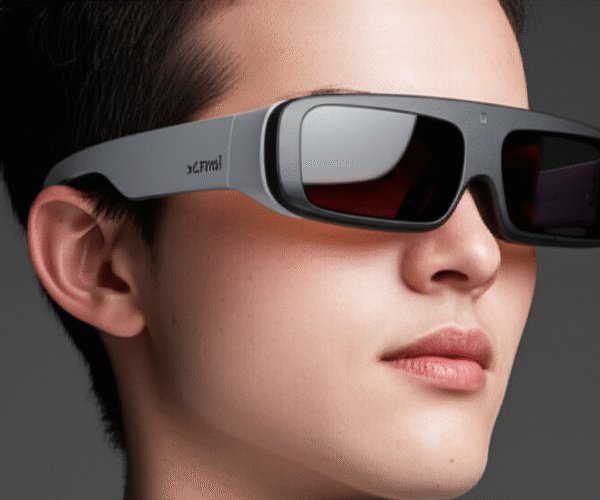
The Potential Applications are Limitless
The impact of these advanced AR glasses will be felt across numerous sectors:
- Communication and Collaboration: Imagine holographic video calls where participants appear as if they are in the same room, or collaborative design sessions where everyone can interact with a shared 3D model.
- Education and Training: Immersive learning experiences, from virtual dissections in biology class to hands-on training for complex machinery, will become more engaging and effective.
- Entertainment and Gaming: AR glasses will unlock new forms of entertainment, blending virtual characters and environments with the real world for truly immersive gaming and media experiences.
- Navigation and Information: Real-time information overlays, turn-by-turn navigation appearing directly in your field of vision, and instant access to contextual data will enhance everyday tasks.
- Industrial and Enterprise Use: From assisting technicians with complex repairs to providing real-time data to warehouse workers, AR glasses will boost efficiency and accuracy in various industries.
Challenges Ahead
Despite the immense potential, challenges remain. Battery life, the development of compelling and user-friendly applications, addressing privacy concerns, and achieving a comfortable and socially acceptable form factor are all crucial hurdles that manufacturers need to overcome.
The Future is Looking Clear
Nevertheless, the advancements we are seeing in next-gen AR glasses like the Apple Vision Pro 2 and XREAL One Pro are incredibly promising. As the technology matures and becomes more accessible, these devices have the potential to fundamentally change how we interact with information, each other, and the world around us. Keep an eye on this space – the future of computing is literally unfolding before our eyes.